This May 2024 article considers connected TV (CTV) and digital out-of-home (DOOH) in a political-advertising context. It is an overview of channel roles, not a statement of current political-ad availability or a prediction of election outcomes.
Television viewing and out-of-home media provide different environments for a message. Understanding those differences is more useful than describing either channel as universally precise or effective.
Connected TV
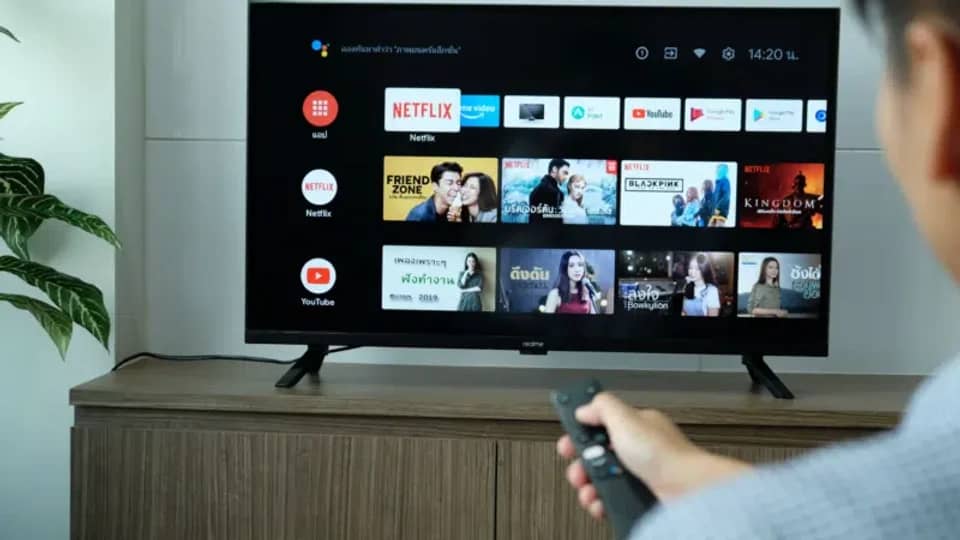
Traditional television is not the only environment for television advertising. CTV brings ads into streaming content viewed on internet-connected televisions.
The channel's digital buying context can provide different planning and reporting options from a conventional television purchase. However, the available options depend on the inventory, platform and campaign conditions. A general description of CTV does not establish which political advertisers are eligible to use a specific placement.
Measurement also needs context. Delivery reports can describe campaign activity, but they do not establish how an individual formed an opinion or whether an ad changed a voting decision. The existence of digital reporting should not be confused with instantaneous proof of effectiveness.
Digital Out-of-Home
Out-of-home advertising includes digital billboards and screens in physical settings. DOOH combines a physical location with a digital presentation of the message.
The setting affects how the creative is encountered. A screen is part of a shared environment, rather than necessarily part of one person's online session. A recorded playback does not show exactly who read or remembered the message.
Digital presentation does not remove the need to consider the screen owner's requirements or the distinction between delivery and audience measurement. Nor does visibility in a physical setting guarantee attention or persuasion.
Channel Roles and Limitations
The original article discussed CTV and DOOH together as part of a broader view of political advertising. The useful distinction remains the environment: streaming television content versus digital screens in physical places.
Combining channels does not itself establish better results. Each channel has its own creative context, availability and measurement limitations. A broad discussion of media should not be turned into a guarantee of political impact.
Platform and publisher requirements change. This historical overview does not establish current eligibility, certify compliance or document an active ATD Partners political-advertising service.
Further Reading
Read about connected TV and digital out-of-home for general channel definitions. Those pages provide media context; they do not establish political-campaign eligibility.